Property owners call when something scratches in the attic at 2 a.m., when droppings appear behind the water heater, or when a raccoon tears up freshly laid sod as if it were paper. These are emergencies. The irony is that most wildlife emergencies are the end point of a series of small, predictable failures. A missing vent screen. A gap under a garage door. Fruit left to rot beneath a fig tree. Preventative maintenance ties those threads together and prevents the crisis from ever forming.
I have spent enough dawns on ladders and evenings in crawlspaces to know the difference between a one‑off removal and a stable, repeatable system for keeping wildlife where it belongs. Good nuisance wildlife management leans on two pillars: habit and hardware. Habit covers sanitation, storage, and landscaping decisions that either starve or tempt wildlife. Hardware means exclusion materials, repairs, and periodic checks that resist chewing, weather, and time. Together, they form a plan.
Why preventative maintenance beats one‑time fixes
Wildlife behaves according to routes and rewards. Rats run the same edges, bats follow thermal currents, raccoons scout fence lines and return to productive yards. If a property offers food, water, and shelter, animals will try again, even after a successful eviction. One‑time pest wildlife removal can clear the current occupants, but without follow‑through, the same attractants and entry points invite the next group.
Maintenance tilts the balance. A well‑kept property offers fewer rewards, and any weak points that develop get discovered and repaired before they turn into openings. I have watched this play out at a small commercial bakery: once we sealed and screened the wall penetrations, calibrated door sweeps, and trained staff to manage flour dust bins, the nightly rat sightings dropped to zero within two weeks and stayed there for three years with quarterly inspections. The plan saved them far more than ad‑hoc callouts ever would.
The anatomy of a preventative wildlife control plan
A durable plan is not a binder on a shelf. It is a schedule, a set of specifications, and a way of working across seasons.
Start with a baseline inspection performed by a professional wildlife trapper or a team that offers integrated wildlife control and wildlife exclusion services. A good inspection maps the property from ridge cap to footings. Take photos. Note gaps wider than a pencil, torn screening, damaged soffits, evidence of gnawing, grease smears along baseboards, droppings, and stained insulation. Document attractants: bird feeders, unsecured trash, pet food storage, compost piles, drip lines, standing water.
The deliverable from that first visit should be two things: an immediate action list for active infestations and a maintenance schedule for the next 12 months. The immediate list might include humane trapping, one‑way doors for bats, and sanitation. The schedule lays out inspection frequency, target components for each season, and standards for repairs.
Exclusion is the backbone
Most long‑term success hinges on exclusion. We do trap when necessary, and wildlife removal services have their place, especially where health risks demand speed. But exclusion addresses how animals get in and what keeps them out.
Sheet‑metal flashing, stainless steel mesh, rodent‑proof sweeps, and real anchoring methods matter. I have seen plywood patches chewed through in a weekend. On a multifamily building, a single inch‑and‑a‑half gap between the last tile and the fascia welcomed squirrels twice every fall until we installed a continuous metal drip edge with a hemmed return. The difference was not just material, it was the way it tied into the roof line and shed water. Fit and finish reduce chew edges and maintain structural integrity.
Expect to install vent screens on every roof penetration, upgrade gable screens to 16‑gauge or thicker, add rodent‑resistant weep hole inserts, and replace worn door sweeps with brush or EPDM lips that touch the ground evenly. For deck and shed skirting, hardware cloth must be buried in an L‑shaped trench 8 to 12 inches deep with the horizontal leg extending outward to deter digging. These are not optional add‑ons, they are essential parts of a wildlife pest control plan that holds up under weather and teeth.
Sanitation and attractant control
Most properties do not have a wildlife problem so much as a food problem. Night after night, rats and raccoons tour the same buffet lines: open compost, scattered pet feed, overflowing bird seed trays, produce gardens without perimeter control, and unsecured trash lids. Maintenance plans treat these issues as standard operating procedure rather than lectures.
I advise clients to move bird feeders at least 20 feet from structures and to install seed catch trays, or better, to switch to native plantings that feed birds without creating concentrated piles on the ground. Food waste should be sealed in lidded bins with intact gaskets. Pet bowls come inside nightly. Grease bins at restaurants must sit on cleanable pads with lids that lock, and staff should wash down the area weekly. Lids and habits, not poisons, do most of the heavy lifting here.
Landscaping and habitat pressure
Landscaping can either block or funnel wildlife. Dense vines up siding create squirrel highways. Brush piles shelter rabbits and skunks. Long grass near foundations hides rodent burrows. The fix is not scorched‑earth gardening, it is structure.
Trim tree limbs to maintain at least 6 to 8 feet of clearance from roofs. Keep a gravel strip or bare soil band of 12 to 18 inches along the foundation to discourage burrowing and make inspections honest; you cannot find rat holes under ivy. Prune hedges up off the ground, and avoid stacking firewood against walls. If you grow fruit, pick it promptly and use perimeter fencing or low‑voltage nets to keep raccoons from harvesting the crop before you do. These adjustments often cut incidents by half before we ever set a trap.
Seasonal rhythms: what to check and when
Wildlife activity pulses through the year. Squirrels test roofs heavily in late winter before spring litters. Bats establish roosts in spring, then carry pups through summer, when exclusion windows narrow. Rodent pressure spikes in fall as nights cool. A maintenance plan respects those rhythms.
- Late winter to early spring inspection: focus on roof edges, soffit returns, and attic vents before birthing seasons. Tighten every gap larger than a quarter inch. Early summer check: verify bat one‑way devices have been removed after pups can fly, and that new screening is intact. Inspect for wasp nests near vents that might damage screening. Early fall review: door sweeps, garage thresholds, crawlspace vents, and foundation penetrations before rodents move inside for warmth. After major weather events: wind and ice can pry up flashing and lift tiles. A 15‑minute roofline walk can prevent a month of attic damage.
That rhythm keeps your efforts ahead of animal cycles and legal constraints around protected species. For example, bat exclusion must avoid maternity season in many regions. Planning around that avoids fines and preserves the animals while protecting your structure.
Inspection depth and documentation
An inspection is only as good as the records. Professionals in wildlife control rely on checklists tied to photos and measurements so that small changes stand out over time. On a retail property where we manage pest control alongside wildlife concerns, we log door gaps in millimeters, snap photos of the same four roof corners each quarter, and archive before‑and‑after shots of every repair. Trends become obvious. If a particular soffit joint opens by two millimeters each year, we schedule a permanent retrofit instead of applying another bead of caulk.
Homeowners can replicate some of this discipline. A simple folder with dated phone photos, a sketch of the property highlighting known hot spots, and receipts for any wildlife exclusion services forces clarity. If you do bring in a wildlife trapper, give them this material. It shortens the diagnostic process dramatically.
Materials that last, and those that fail
A maintenance plan lives or dies on material choices. Here is where field experience pays. Aluminum window screen will not stop a rat. It tears and corrodes where urine collects. Galvanized hardware cloth works for skirting if the soil is not highly acidic, but near coastal air or fertilizers, it rusts faster than clients expect. Stainless mesh costs more up front and costs less long term. Expandable foam is not a sealant for wildlife exclusion, it is a draft stop. Animals chew it easily and it absorbs odors that attract more chewing.
Fasteners matter too. Screws should bite solid backing, not thin fascia alone, or you create chew edges. On metal roofs, use stitch screws with neoprene washers to avoid leaks. Anchoring trench screen with landscape staples alone invites uplift. We set the horizontal leg with compacted soil and a line of pavers or poured curb if dogs and raccoons work the perimeter.
The subtle choice is color and profile. Matte black screens reflect less light and look like shadow lines instead of shiny patches. Homeowners accept them more readily, which means they stay in place. A good‑looking exclusion is a permanent one.
When trapping belongs in a maintenance plan
A preventative plan declines to rely on trapping, yet it keeps room for targeted use. If a rat population surges nearby due to construction, you might deploy a limited station program for 60 to 90 days while exclusion holds. If a single skunk takes to denning under a deck after a windstorm, a short trap‑and‑release sequence paired with skirting and trenching solves the immediate problem without normalizing the deck as a den site.
The key is to treat trapping as a surgical tool inside nuisance wildlife management, not the strategy. Rotate baits and placements to avoid training wary individuals, be meticulous about non‑target safety, and document results. If traps catch zero for two consecutive weeks while signs persist, reassess entry points rather than doubling down on hardware.
Health, safety, and compliance
Wildlife brings pathogens and secondary pests. Raccoon latrines can carry roundworm eggs, bats can host histoplasma in guano, and rodents carry ectoparasites that shift hosts once the rodents die. Maintenance plans include cleanup standards and personal protective gear. Vacuum with HEPA where dry material accumulates, mist droppings with a disinfectant before disturbance, and bag contaminated insulation in sealed poly. Pros doing wildlife removal services should provide disposal manifests where required and follow local guidance, which can differ significantly by jurisdiction.
Regulatory details come into play, especially with birds and bats. Many regions protect bat species and restrict exclusion during maternity periods. Swallows on active nests are often protected. Good planning avoids conflict. If a business schedules roof work in early summer, add bat surveys in spring, not after demolition begins.
Budgeting and ROI: what property owners actually see
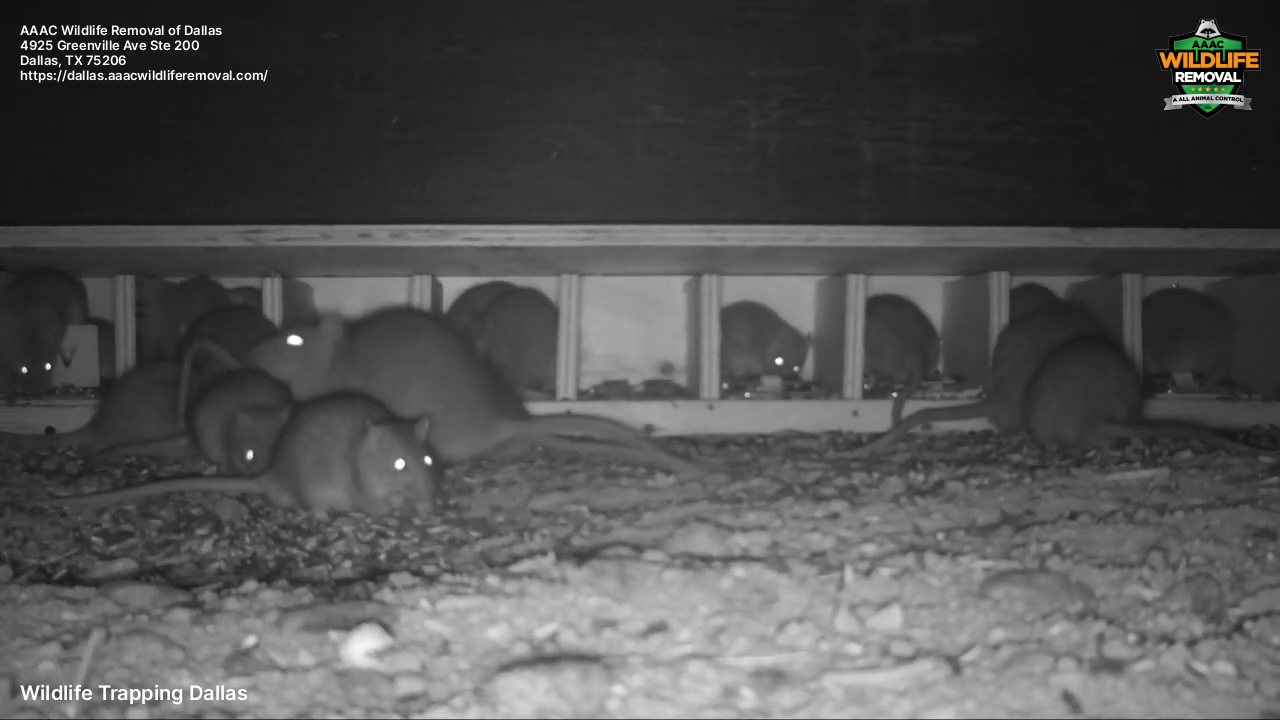
Maintenance budgets live under scrutiny. The landlord who hesitates at a $2,400 line item for crawlspace screening rarely balks at a $1,200 drywall repair after a raccoon floods a bathroom by ripping into a supply line. Numbers help. On a typical 2,000‑square‑foot home with multiple roof penetrations and ground‑level vulnerabilities, installing durable exclusion and establishing a one‑to‑two‑times‑per‑year inspection cadence commonly costs between $1,500 and $3,500 in the first year, then a few hundred dollars annually for checks and minor fixes. Emergency wildlife removal calls alone can rack up similar money within a single season, and that does not include insulation replacement, odor remediation, or elevated utility costs from chewed ductwork.

Commercial sites see even clearer returns. A grocer that permitted recurring rodent activity faced quarterly losses in spoiled stock and brand damage. After a structured plan that combined sanitation protocols, door hardware upgrades, and predictable inspections, their spend dropped by roughly 30 percent in the first year and kept falling as failure points disappeared. The math tilted because the plan made outcomes reliable, which allowed for predictable labor allocation.
Communication and training
Even the best hardware fails when staff or residents unknowingly reverse it. I have watched hardworking cleaners prop a rear service door open with a brick to air out a mop closet, then wonder why rats find the back room every night. A plan carries training. This is not a scolding session, it is a short explanation of why certain rules carry weight.
Teach the few behaviors that matter: doors closed and latched, lids on, food sealed, and exterior lighting angled to avoid attracting insects near entryways. For homeowners, post a small reminder by the garage door switch to https://sites.google.com/view/aaacwildliferemovalofdallas/ check the sweep weekly and to remove pet bowls before bed. For facilities, include wildlife control in onboarding checklists. People protect what they understand.
Edge cases that demand special tactics
Certain properties need tailored moves. Historic homes often have irregular gaps and fragile materials where standard fasteners cannot bite. We use reversible compression‑fit screens inside openings rather than drilling into antique wood. Flat commercial roofs can pond water, attracting birds, which then peck at foam insulation around penetrations. The fix involves improved drainage and metal boot covers rather than repeated bird deterrents.
Urban alleyways behave differently from suburban yards. Conduits and grease lines on exterior walls offer climbing paths. In those corridors, we add stand‑off guards and sheet‑metal wraps at pipe intersections. Multifamily buildings complicate responsibility; one unit’s bird feeder undermines the entire property’s goals. Maintenance plans for these sites usually include lease clauses and signage to keep practices consistent.
Measuring success: not just “no sightings”
The absence of noise in the attic feels like success, but maintenance programs need metrics to stay honest. Track these:
- Entry‑point count and size by quarter, with a goal of reduction over time. Attractant incidents per month: unlatched lids, food found outdoors, pooling water sources. Wildlife sign indices: droppings per inspection zone, rub marks, or gnaw incidence. Response time from report to repair for structural vulnerabilities. Costs avoided: logged incidents of damage that did not occur because the plan caught the issue early.
Those numbers drive decisions. If new penetrations appear along one façade repeatedly, maybe that side takes wind that lifts flashing, or a nearby tree funnels squirrels there. Adjust trimming or materials rather than repeating the same repair.
DIY versus professional work
Homeowners can absolutely contribute. Clearing debris, maintaining vegetation gaps, monitoring for droppings, and sealing minor gaps with hardware cloth and sealant are within reach for many. However, roofline work, bat exclusions, and crawlspace remediation carry risk. Bats require species‑appropriate timing. Raccoons fight. Crawlspaces harbor mold and utility hazards. Where safety or legality is in play, hire pros who specialize in wildlife pest control rather than general pest control alone. The latter excels at insects and basic rodent programs, but wildlife removal services have the tools, training, and liability coverage to handle complex exclusions.
When you do hire, ask about materials, warranty terms, and photo documentation. A reputable wildlife trapper explains not just what they will do, but why the spec matters and how it will hold up. Warranties that exclude chew‑through on foam tell you everything you need to know about the plan’s durability.
The long arc: maintenance as risk management
Preventative wildlife maintenance takes the drama out of property ownership. The plan is not a single heroic fix, it is the quiet, periodic habit of looking, tightening, cleaning, and training. Over a few cycles, the property turns into a poor prospect for raccoons, rats, squirrels, bats, and skunks. Animals move on to easier opportunities. Your nights get quieter, your maintenance line steadier, and your time freer for everything other than dealing with unraveling insulation and scratched drywall.

For anyone managing a portfolio of properties, this mindset is essential. A mature program blends nuisance wildlife management with existing building upkeep, shares documentation across sites, and sets clear standards. Whether you are a facilities manager tightening procedures at a school or a homeowner finally tired of patching the same soffit, treat wildlife control as a maintenance discipline. Build it into the calendar. Specify materials you would trust at your own house. Most of all, use exclusion as your default and trapping as your contingency. That is how you turn an unpredictable problem into a controlled routine.